 English
Professional Technical Team
Chunye has a professional after-sales technical support team to provide customers with professional technical support, and can remotely analyze and guide customers' parts problems.
Quality Assurance
Chunye has its own quality management system and a professional quality inspection team, strictly check every accessory for overseas customers.
High Standard Products
Chunye's advantageous products include high-pressure fuel injection pumps, fuel injectors, turbochargers and other spare parts. We have determined the strategic goal of developing such products with Haruno as the core of brand development.
Professional Service
Chunye has a rich sales team, which can provide customers with professional pre-sale, in-sale and after-sale ordering solutions.
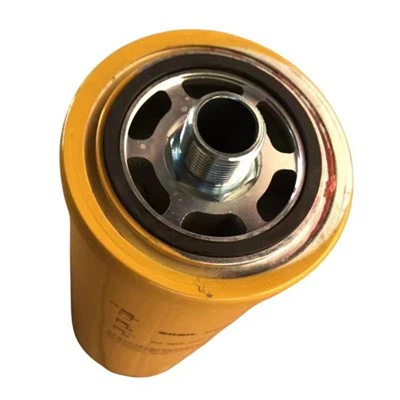
Suitable For: SDLG Wheel Loader
Product Name: Filter Element
Product Number: 4120003296
MOQ:1PC
Warrenty:Six Months

Suitable For: SDLG Wheel Loader
Product Name: Filter Inset
Product Number: 26350010491
MOQ:1PC
Warrenty:Six Months
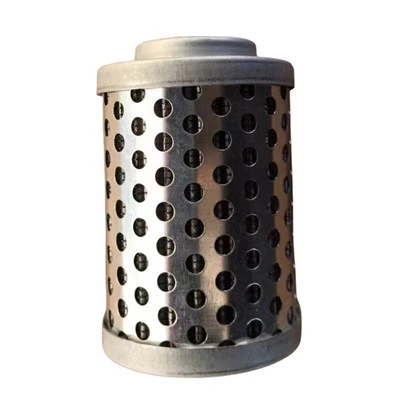
Suitable For: SDLG Wheel Loader
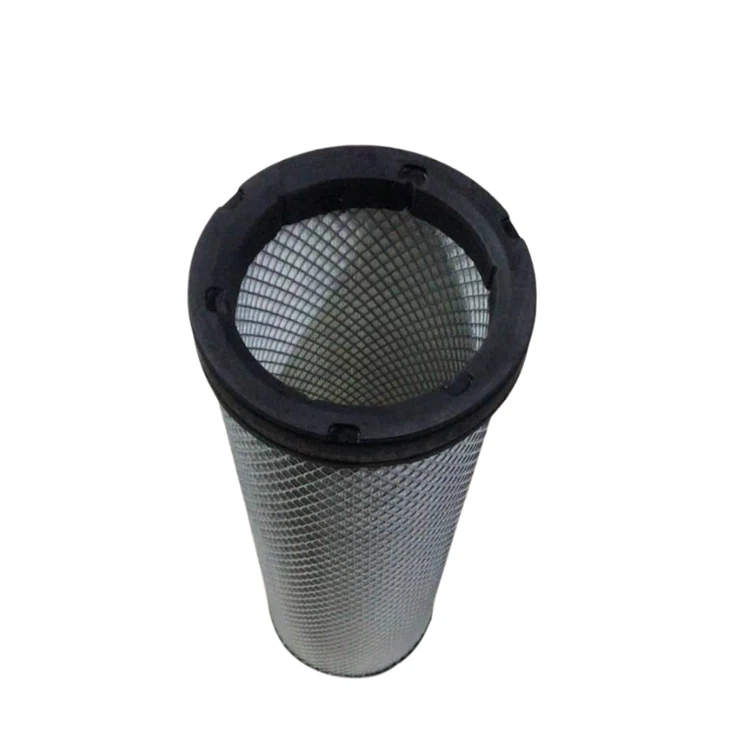
Product Name: Hydraulic Oil Filter
Product Number: 4120001954001
MOQ:1PC
Warrenty:Six Months
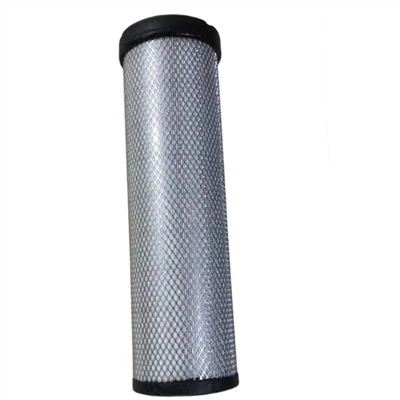
Suitable For: SDLG Wheel Loader
Product Name: Fuel Filter
Product Number: 4110002933002
MOQ:1PC
Warrenty:Six Months
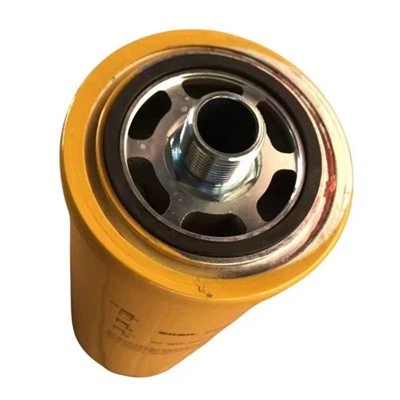
Suitable For: SDLG Wheel Loader
Product Name: Hrdraulic Oil Filter
Product Number: 4120004492
MOQ:1PC
Warrenty:Six Months

Suitable For: SDLG Wheel Loader
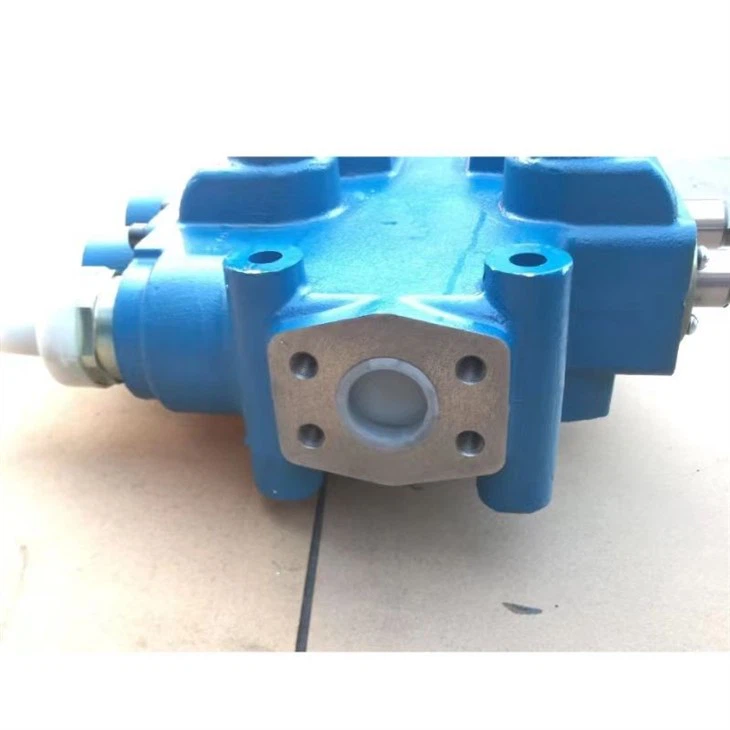
Product Name: MuIti Valve
Product Number:
MOQ:1PC
Warrenty:Six Months

Suitable For: SDLG Wheel Loader
Product Name: Ring Gear
MOQ:1PC
Warrenty:Six Months

Suitable For: SDLG Wheel Loader
Product Name: Oil Filter Housing
MOQ:1PC
Warrenty:Six Months
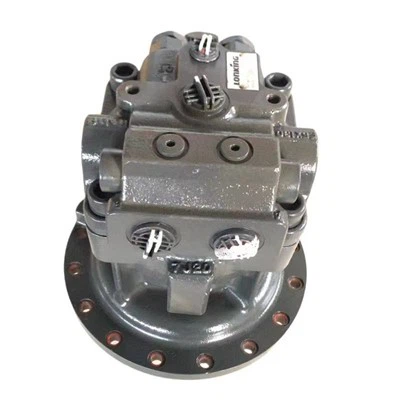
Suitable For: Lonking Wheel Loader
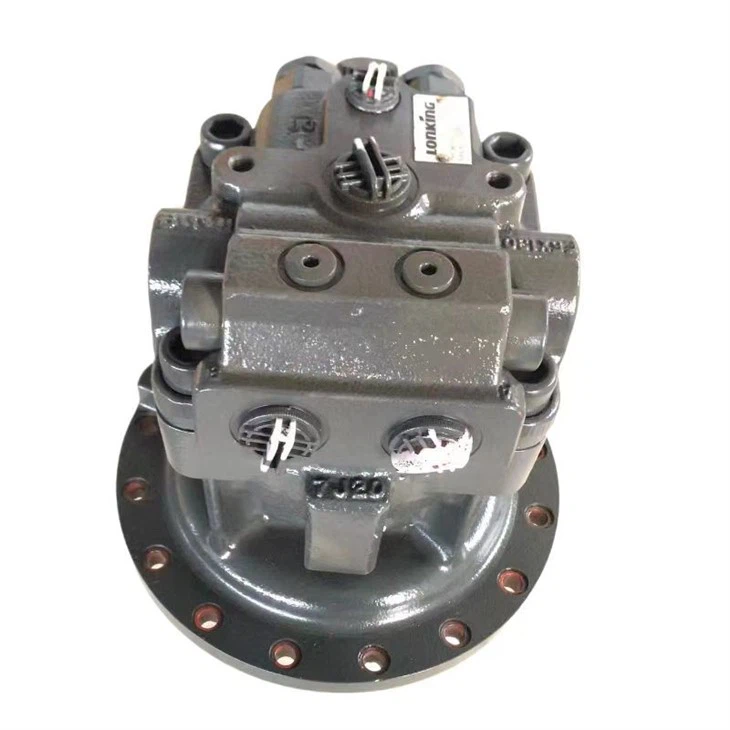
Product Name: Swing Motor
MOQ:1PC
Warrenty:Six Months
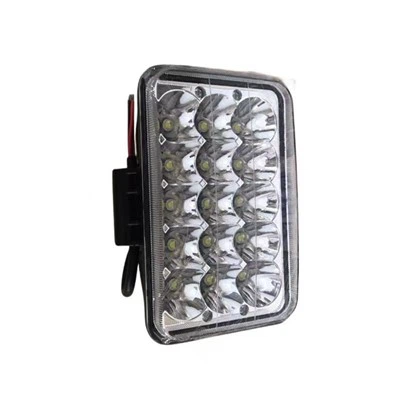
Suitable For Wheel Loader:Lonking Wheel Loader
Product Name: Front Combined Lamp Headlight
MOQ:1PC
Delivery Date:Within 2-5 Working Days
Warrenty:Six Months
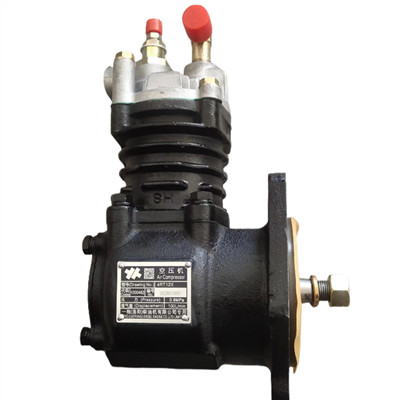
Suitable For:Lomking Wheel Loader
Product Name: Air Compressor
Product Number: 800901174
MOQ:1PC
Warrenty:Six Months

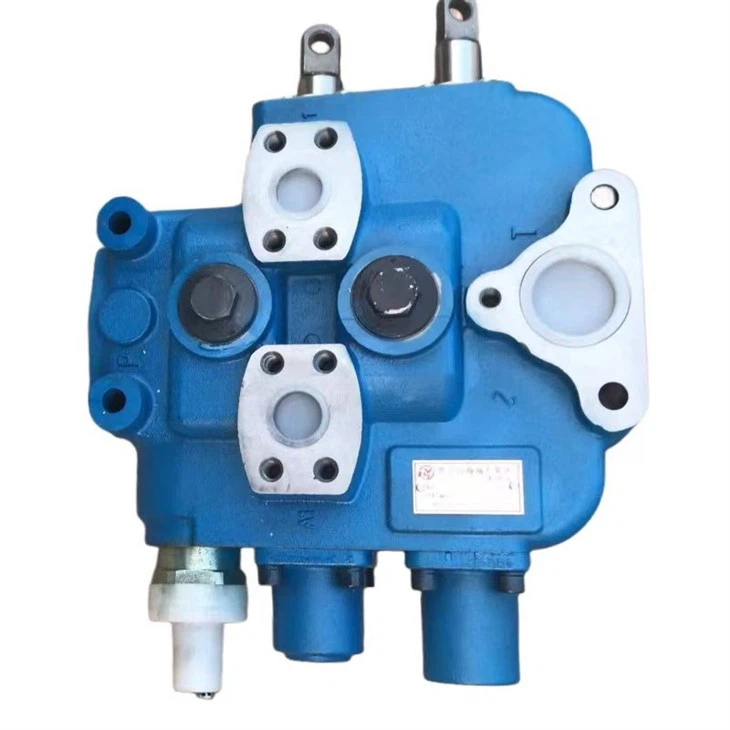
Suitable For:Lonking Wheel Loader
Product Name: Combined Switch
Product Number: JK302N
MOQ:1PC
Warrenty:Six Months
A starter motor is an electrical device that is used to start & stop a motor safely. Like a relay, the starter motor switches the power on/off, but unlike a relay, it also provides thermal overcurrent protection. The starter motor needs a lot of current because of the amount of energy required to turn over the engine. When an engine is cranked, the heavy draw of the starter motor temporarily pulls down the battery voltage.
Boost up the performance of your engines
When you install it with your engines, you are minimizing their load share – the load which an engine needs to start itself. These motors provide the required amount of force to the engine, and let it run swiftly and slickly. If the engine will seek the obligatory start off power by itself, it will get exhausted before the estimated time - which can also affect the performance and endurance of the machine. So by installing a good quality starter motor, you provide your designed and serviced engines with enhanced performance.
Low maintenance cost
To err is human' and these motors are designed by humans, and they too can witness some breakdowns, which can be serviced by the service engineers. The starter motors of this generation are so efficient that they do not ask for frequent upholding and servicing, but if you face any predicament in their performance, you can call in the engineers to look into. Maintenance cost of these motors is also not a burden; end users can easily bear this nominal cost. Some of the most occurring problems of starter motors are low battery or grease level.
When it comes to automotive maintenance, the starter motor is usually a critical component that is easily overlooked. However, regular starter maintenance can extend its life and ensure that your vehicle starts reliably. The starter motor is responsible for turning the engine over when you start your vehicle. It draws electrical power from the battery and converts it into mechanical energy to crank the engine. Here's how you can keep it in good shape:
Regular cleaning and inspection
One of the simplest yet effective ways to maintain your starter motor is by keeping it clean. Over time, dirt, grease, and debris can accumulate on the motor, affecting its performance. Periodically inspect the starter motor for any visible dirt or corrosion. If you notice any buildup, clean it carefully using a soft brush and a degreaser. Be sure to disconnect the battery before cleaning to avoid any electrical mishaps.
Battery health
A healthy battery is crucial for the proper functioning of the starter motor. Weak or old batteries can strain the starter motor and lead to premature wear. Regularly check your battery's voltage and replace it as needed. Ensure the battery terminals are clean and securely connected to prevent voltage drop.
Tighten loose connections
Check the electrical connections to the starter motor and solenoid. Loose or corroded connections can lead to voltage loss and make it harder for the starter motor to do its job. Tighten any loose connections and clean off corrosion with a wire brush.
Listen for unusual sounds
When you start your vehicle, pay attention to any unusual sounds, such as grinding, whirring, or clicking. These noises could be signs of starter motor problems. If you hear anything unusual, have your vehicle inspected by a mechanic promptly.
Avoid over-cranking
Don't hold the ignition key in the "start" position for too long. Over-cranking can overheat the starter motor, causing damage. Crank the engine for no more than 15 seconds at a time, allowing the starter to cool down between attempts if necessary.
Regular maintenance checks
Include the starter motor in your regular vehicle maintenance checks. During oil changes or other routine inspections, have your mechanic assess the starter motor's condition and functionality.
Most of the time, a starter's motor and relay don't just fail abruptly. These are some of the symptoms to look out for:
The engine won't turn over. The most common signal that your starter motor has a problem is if nothing happens when you turn the key or push to start.
Unusual noises, such as clinking, grinding and whirring. If you ignore these sounds, it can eventually lead to damage to the engine flywheel.
Intermittent problems starting the car. If you are starting your vehicle and the engine doesn't ignite right away, and it works the second attempt, you are more than likely dealing with a problem with the starter relay.
Smoke coming from under the hood. The starter motor is a mechanical system powered by electricity, which is prone to overheat. When the starter overheats, you will see or smell smoke coming from under the hood.
5 Ways to Test a XGMA Spare Parts Yuchai Engine Starter Motor S0000588803
The starter motor is an essential component of your vehicle, responsible for cranking the engine to start. A malfunctioning starter can leave you stranded, so knowing how to test it can save you time and unnecessary expenses. Here's how you can perform these tests with some basic tools.
Listen for the click sound
When you turn the ignition key, the first sign of a working starter motor is the familiar click sound. This sound indicates that the starter solenoid is receiving power from the battery but does not confirm if the starter motor is engaging properly. No sound might suggest a dead battery, faulty solenoid, or a bad connection.
Perform a visual inspection
Before diving into more technical tests, perform a visual inspection of the starter motor and its connections. Look for any obvious signs of wear, damage, or loose connections. Corrosion at the terminals can also prevent electrical current from reaching the starter motor.
Use a multimeter to test the battery
A weak or dead battery is often mistaken for a faulty starter motor. To rule this out, use a multimeter to check the battery's voltage. A fully charged battery should read around 12.6 volts. If the voltage is significantly lower, the battery may need to be charged or replaced.
Test the starter solenoid
The starter solenoid acts as a bridge between the battery and the starter motor. To test the solenoid, you can bypass it using a screwdriver or jumper cables. However, this method should be performed with caution and only if you're comfortable with the process. Place the screwdriver across the solenoid's positive post and the starter motor's body. If the starter engages, the solenoid might be the issue.
Bench test the starter motor
A definitive way to test the starter motor is by performing a bench test. This requires removing the starter from the vehicle and using jumper cables to connect it directly to a battery. This test can confirm whether the starter motor itself is functional or needs replacing. It's advisable to consult with a professional if you're not experienced with handling electrical components.
A 4120001954001 Hydraulic Oil Filter is a component used by hydraulic systems to continuously remove contaminants in the hydraulic oil. This process will purify the hydraulic fluid and protect the system from damage created by the particle contents. Hydraulic oil filters are a crucial element of any system using hydraulic power and are designed to filter oil, water or other liquids, within a hydraulic installation application. Hydraulic systems have an increased risk of contamination due to wear of components, ingression from seals or low-quality liquid. Therefore, no fluid power system should be complete without the use of a filter. Hydraulic oil filters help to keep the hydraulic fluid contaminant free.


Hydraulic oil filters are used anywhere in a hydraulic system where particle contamination is to be removed. Particle contamination can be ingested through the reservoir, created during the manufacture of system components, or generated internally from the hydraulic components themselves (especially pumps and motors).
Hydraulic oil filters are mainly used in a variety of hydraulic systems in the industry. These filters have many advantages that ensure the safe working of a hydraulic system. Some of those advantages of hydraulic oil filters are listed below:
• Eliminate the presence of foreign particles in hydraulic fluid.
• Protect the hydraulic system from the dangers of particle contaminants.
• Improves the overall efficiency and productivity.
• Compatible with most of the hydraulic system.
• Low cost for maintenance.
• Improves the service life of hydraulic system.
As its name suggests, hydraulic oil filters work to filter out impurities from hydraulic fluid. The filtering process is accomplished using a mesh screen or filter element that is designed to trap contaminants while allowing the flow of clean oil to pass through. The elements can be made of different materials, such as paper, cloth, metal, or synthetic fibers. During operation, dirty hydraulic fluid enters the filter at low pressure and flows through the screen or element. The contaminants are trapped on or inside the filter material while the clean oil passes through to the other side.
Some filters also have a bypass valve that allows unfiltered oil to flow around the element in the event that it becomes plugged with contaminants. Hydraulic oil filters play an essential role in preventing premature wear and failure of hydraulic components. By removing harmful contaminants from the hydraulic fluid, they help extend the life of pumps, cylinders, valves, and other components exposed to the fluid. In addition, clean hydraulic fluid helps improve system performance by reducing friction and providing proper lubrication.

Different types of hydraulic oil filters can cost anywhere from $5 to $50, depending on the size and capacity of the filter. For example, a small, inline filter for a home workshop might cost around $5, while a large, heavy-duty filter for an industrial application could cost $50 or more. The type of filter you need will depend on the specific hydraulic system you're using.
Hydraulic oil filter can be divided into two main categories: full-flow filters and bypass filters. Full-flow filters are designed to filter all of the hydraulic fluid passing through the system, while bypass filters only filter a portion of the fluid. Bypass filters are typically used in systems where there is a high demand for Hydraulic power, such as in construction or agricultural machinery. The cost of replacing your hydraulic oil filter will also depend on how often it needs to be replaced.
In most cases, it's recommended that you replace your filter every 6 months to 1 year. However, if your system is subject to heavy use or contamination, you may need to replace it more frequently. If you encounter recurring problems related to oil filter failure, do not hesitate to get in touch with our specialists to gain valuable insights and information regarding hydraulic oil filters.
Chunye Technology is a professional company of construction machinery parts integrating precise research, high-standard production and refined warehousing and logistics. Chunye can provide the global market with high-quality spare parts for construction machinery SDLG, XCMG, XGMA, LIUGONG, FOTON, LONGKONG, LIUGONG, SEM and SANY such as loaders, excavators, graders, road rollers, cranes, etc.


